
HOME › Services › Bed Bug Treatment
Residential Bed Bug Treatments
Found one and unsure what to do next? Do not strip the bed and do not move rooms, because both spread them. Read this first, then call. Free estimate.
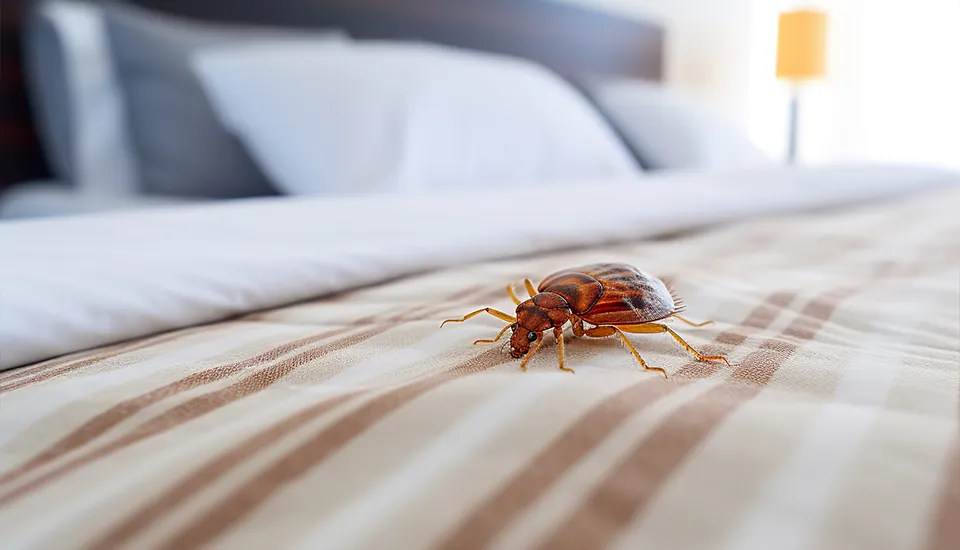
Three Critical Mistakes to Avoid
Instinct works against you with bed bugs. These three reactions are the most common, and all three make the job bigger.

Do Not Switch Rooms
Bed bugs track carbon dioxide and body heat. Move to the spare room or the couch, and they follow within days, and now you have two infested rooms instead of one.

Do Not Throw Out the Mattress
They are already in the frame, the baseboards, the nightstand, and the outlet covers. Dragging an infested mattress down the hall seeds every room it passes through.

Do Not Move the Laundry Yet
Carrying bedding through the house before treatment spreads it to rooms that were clear. Wait for the prep list. It tells you what to move, in what order, and how.
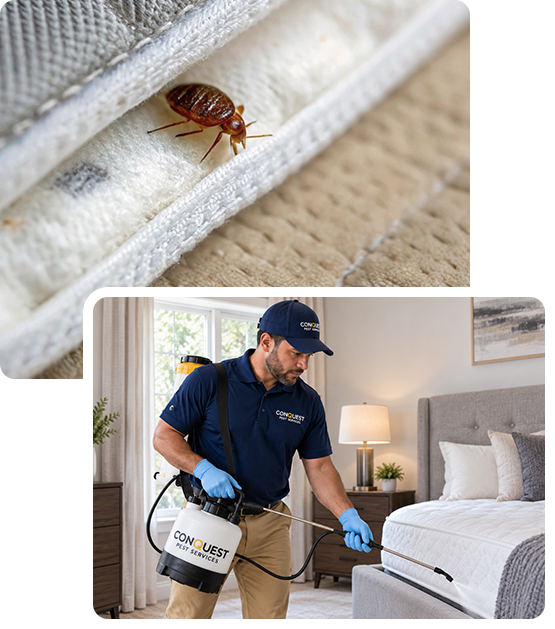
Our Professional Solutions: Targeted, Repeated, Verified
No single application clears bed bugs. What clears them is precise placement, something that stops the next generation, and coming back to check.

Targeted Treatment
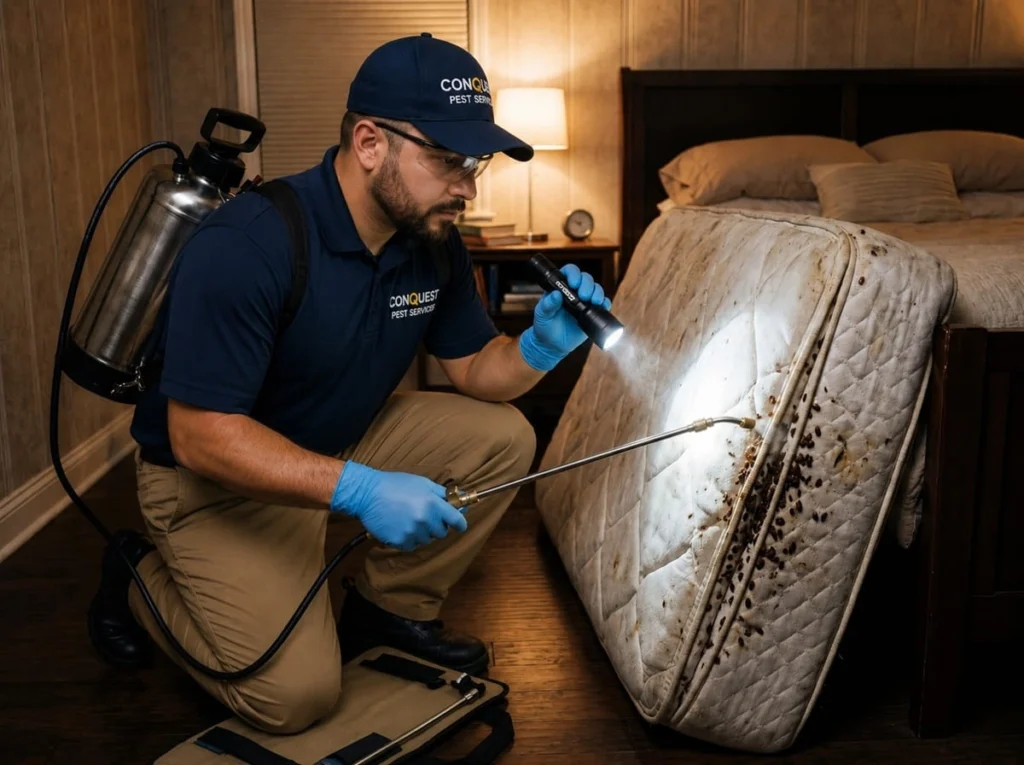
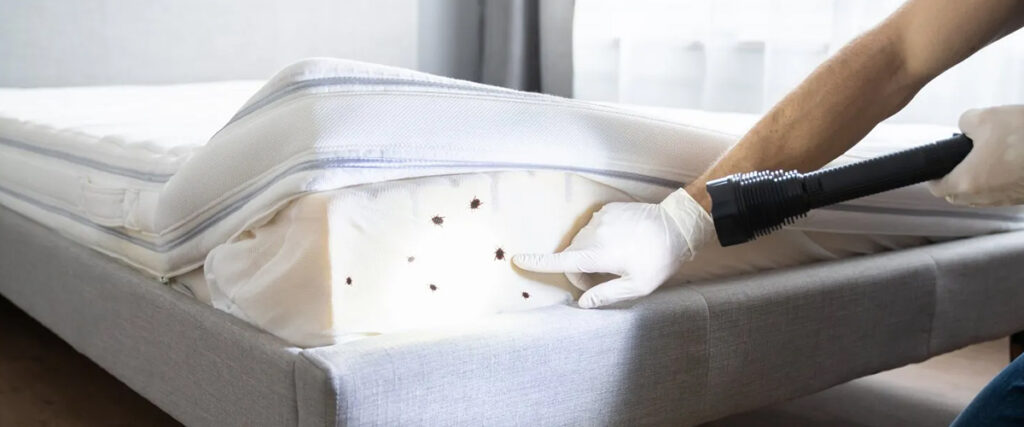
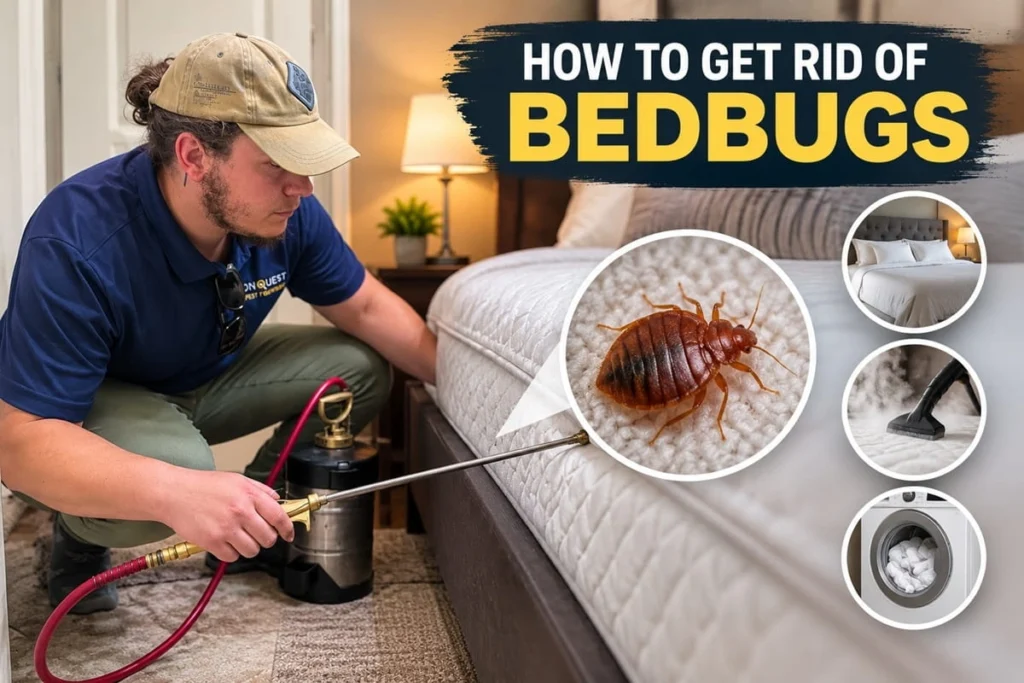
Materials placed directly into the harborages, meaning mattress seams, frame joints, baseboards, and voids, rather than sprayed across open surfaces. Precision is the whole difference between this and an aerosol out of a can, and it is why placement takes longer than application.

Growth Regulators
Nothing on a shelf kills bed bug eggs, and eggs already laid will hatch whatever is applied today. Growth regulators stop those nymphs reaching breeding age, which is how the population is closed out rather than knocked back for a fortnight.

Encasements and Interceptors
Interceptor traps go under the bedposts, and sealed encasements go onto the mattress and box spring. Together they trap what is left, block what is arriving, and give us an honest read on whether the population is actually gone.
How Our Bed Bug Pest Control Service Runs
Four stages, and you will know the visit count and the prep before anybody starts.
Step 1

Inspection
We verify the pest visually, assess how far it has gone, and map the harborage zones. You get a written report, and if it is not bed bugs we tell you that instead of quoting.
Step 2

Preparation
You receive a preparation checklist written for your property, because what needs moving, laundering, and clearing depends on which rooms are involved. Do not start shifting laundry or furniture before you have it.
Step 3

Treatment
Targeted materials and growth regulators, applied to every harborage point we identified and to the mattress itself, by licensed technicians using approved products.
Step 4

Follow-Up and Monitoring
Interceptors under the bedposts, encasements fitted, and a return evaluation to confirm the job is finished rather than assuming it on the strength of nobody being bitten this week.
Every home gets the full cycle, no shortcuts and no half measures.
Why Homeowners Choose Conquest for Residential Bed Bug Control
Conquest Pest Services gives you an honest written inspection report before quoting anything. If you do not have bed bugs, we will tell you so, and you will not be sold a treatment you do not need. That matters more on this pest than on any other, because many suspected cases turn out to be fleas, carpet beetles, or something else entirely, and every one of those needs a different treatment. It matters too because the retail route rarely works. Modern bed bug populations carry heavy resistance to the pyrethroids in over-the-counter sprays, those products do not reach the cracks where the bugs actually live, and nothing on a shelf kills eggs. What you get instead is a scattered population and a fresh hatch seven to ten days later. Before we start, you will know the method, the number of visits, and exactly how to prepare, so there are no surprises on either side. Our technicians are licensed and insured. Book a free inspection and get a clear answer.
Time to Plan Pest Destruction
Tell us what you have found and where, and we will come and give you a straight answer.
By clicking “Submit” you agree to receive email/sms communications from us and confirm you have read and agree to our Terms of Use and Privacy Policy.
How to Prevent Future Bed Bug Infestations
Bed bugs are carried in. These five habits are what keep them out.
Check the Room Before You Unpack
Check the mattress seams and the headboard before you unpack, and keep the suitcase on a metal luggage rack rather than the bed or the floor. Two minutes is enough.
Wash and Dry Hot When You Return
Wash and dry everything on high heat as soon as you get home. The dryer does the work rather than the wash, so heat and time matter more than detergent.
Inspect Secondhand Furniture in Daylight
Inspect secondhand furniture in daylight before it comes through the door. Check seams, staple lines, screw holes, and the underside of drawers, and be most careful with anything upholstered.
Keep the Encasements On Permanently
Keep zippered encasements on the mattress and the box spring permanently, rather than taking them off once the problem is over. They trap anything left inside, give new arrivals nowhere to settle, and make every future inspection quicker and a good deal more reliable.
Seal Shared Walls in an Apartment
In an apartment or duplex, seal the gaps around pipework and outlet boxes on any shared wall. That is the route bed bugs use to travel between units, and closing it protects you from a neighbor problem you cannot control.
What else is bugging you?
Pick your pest and we will take it from there.


Rodent

Cockroach

Mosquito
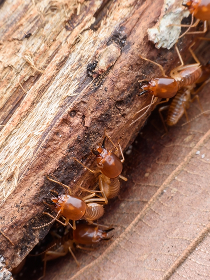

Termite
Latest in Residential Pests
Expert guides and practical tips from our technicians to help you spot bed bug problems early, prevent infestations,
and understand the right treatment solutions for your home.
Why Rodent Control in Pearland, TX, Is Important for Local Homes
Rodents often top the list of uninvited guests in our homes. Rodents such as rats and mice are dangerous pests that can cause severe property…Commercial Winter Pest Control: Challenges in Cypress & Fort Bend County, TX | Conquest Pest Control
Businesses in winter face serious pest control challenges as cold weather attracts pests indoors. When the temperature drops outside, rodents, cockroaches, and overwintering insects begin…Your Guide to Preparing for Pest Control Treatment
Unwanted pests like cockroaches, termites, and rodents can pose health risks, making pest control essential for maintaining a healthy, safe living environment. Pests can cause…
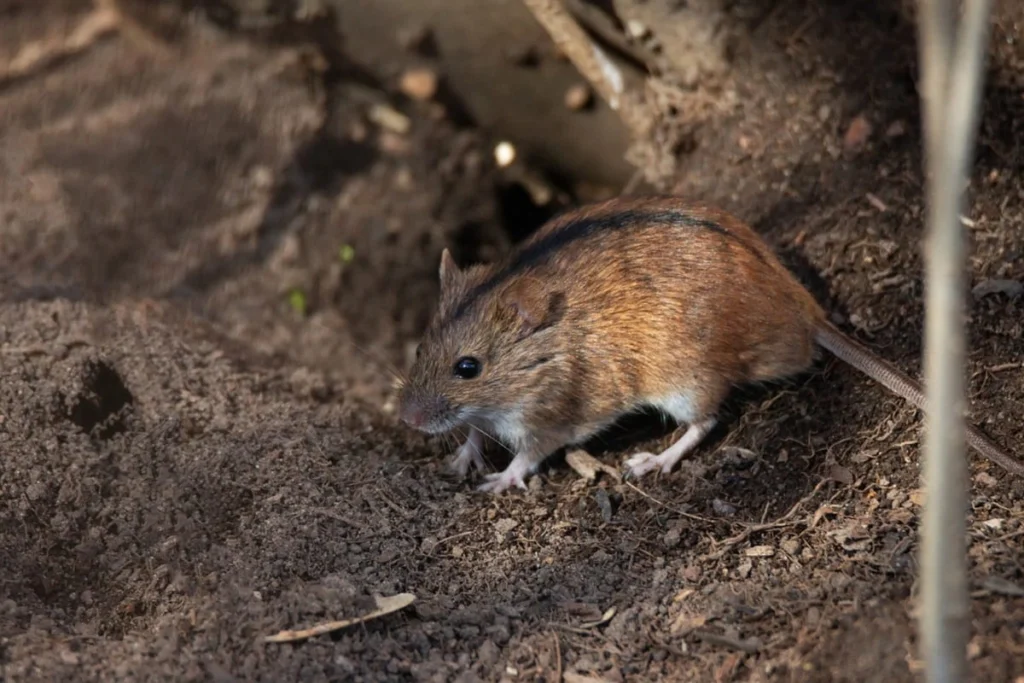


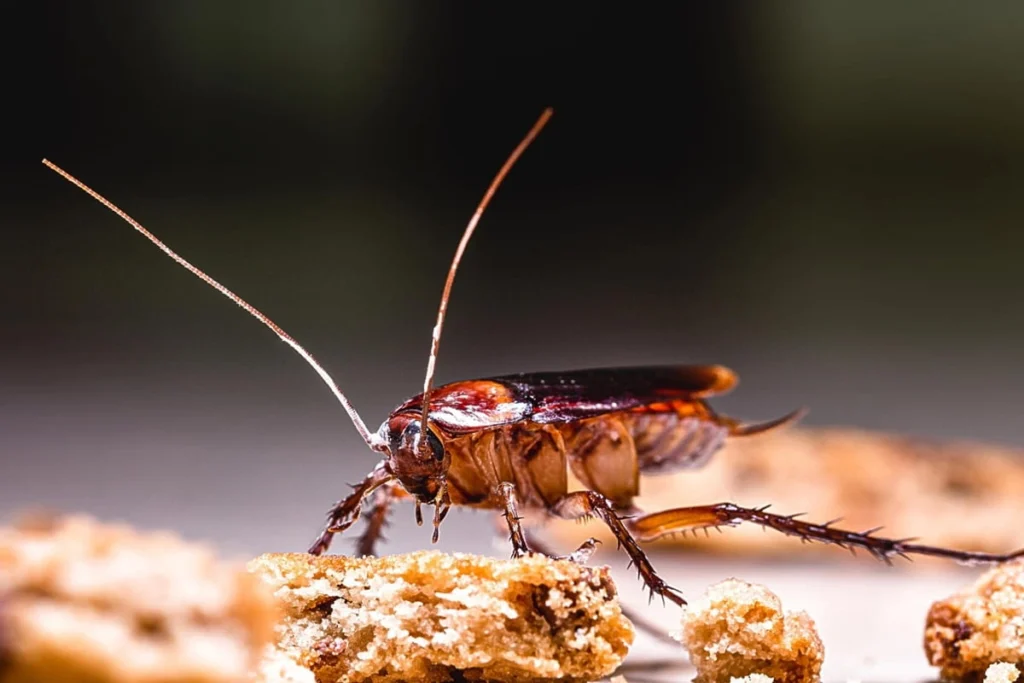

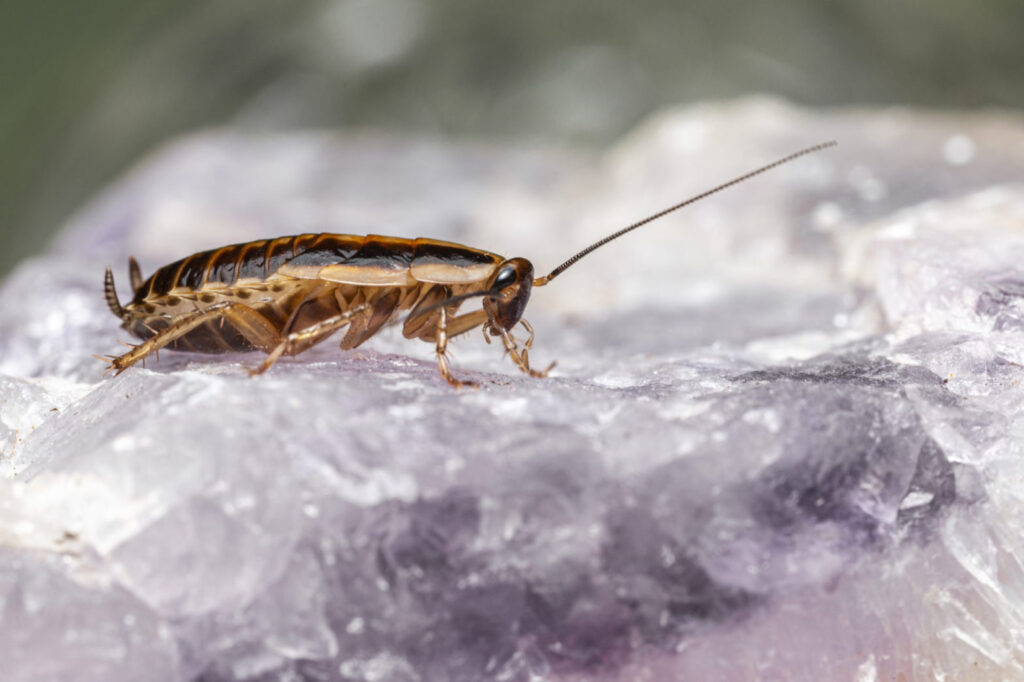






























What Our Customers Say
Unedited feedback from our Google Business Profile.







Bed Bug Treatment FAQs
Book an Inspection and Get a Clear Answer.
Tell us what you have found and get a free inspection with a written report. Bed bug removal handled
properly, from the first visit through to the follow-up.